Skip to content


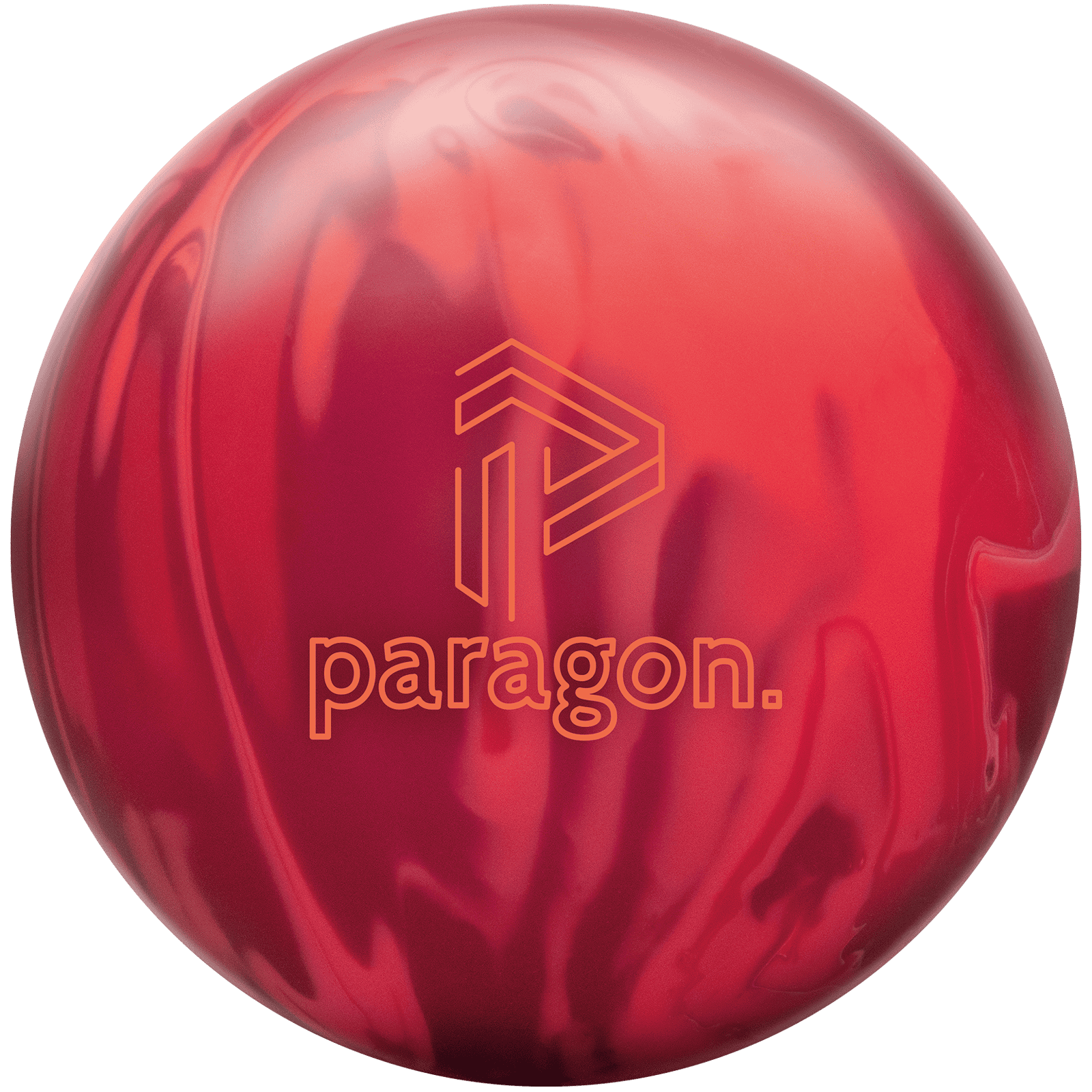
Track built the Paragon name on trust. The Paragon Shadow gave a lot of us a strong, readable benchmark we could throw all night. So when Track dropped the Paragon Fire on June 11, 2026, the question was simple: is this just a hotter paint job on the Shadow, or does it actually change what the ball does at the breakpoint?
Short answer: it changes it. The Paragon Fire keeps the same I-Core 3.0 asymmetric core but swaps in a stronger solid cover. The result is a ball that reads the midlane with authority and still turns the corner hard, with one of the higher flare numbers in the whole June drop.
We pulled every number below straight off Track’s own product page. No guessing. Here is where the Paragon Fire fits, who it helps, and who should leave it on the rack.
Track Paragon Fire specs
Every spec here comes from Track. Nothing invented.
| Spec | Detail |
|---|---|
| Core | I-Core 3.0 (asymmetric, DynamiCore outer core) |
| Coverstock | Prime Response Solid (HK22C2) |
| Cover type | Solid Reactive |
| Factory finish | 500, 2000 Siaair Micro Pad (sanded) |
| Color | Red / Scarlet / Crimson |
| Weights | 12 to 16 lb |
| Lane condition | Medium to oily |
| Release date | June 11, 2026 |
Core numbers by weight:
| Weight | RG | Diff | Asym |
|---|---|---|---|
| 16 lb | 2.501 | 0.047 | 0.014 |
| 15 lb | 2.486 | 0.056 | 0.015 |
| 14 lb | 2.490 | 0.056 | 0.019 |
| 13 lb | 2.597 | 0.041 | 0.014 |
| 12 lb | 2.593 | 0.041 | 0.014 |
Look at the two most common league weights. At 15 pounds you get a low RG of 2.486 and a big 0.056 differential. That is a heavy-flaring, early-revving number. This is not a mild control piece. It is built to rev up and move.
What the cover and core actually do
Two things drive this ball, and they pull in slightly different directions on purpose.
The Prime Response Solid (HK22C2) is a strong solid reactive cover, and it ships sanded at 2000 grit. A sanded solid grabs oil and reads the midlane firmly, so the ball starts working earlier than a pearl would. That is where the traction and the control come from on heavier volume.
Then the I-Core 3.0 does its job. With that 0.056 diff at 15 pounds, it flares hard and keeps the motion strong and continuous once the ball reads the friction. So you are not getting an early solid that just rolls out and dies. You get an early read followed by a strong, angular move off the spot.
Track describes the Paragon Fire as one of their more angular, sanded, asymmetric options, relatively clean for a solid, with a strong and decisive move at the breakpoint. That tracks with the numbers. It reads early enough to trust on oil, but the high diff keeps it from quitting when it gets to the dry.
Put simply: firm midlane read, then a strong, defined backend on medium to heavy oil.
Where the Paragon Fire fits in the Track lineup
This is the part that matters, because most of you already own a Track ball or two and want to know if this one overlaps.
Against the Paragon Shadow, the Fire is the stronger, more dynamic piece. Same I-Core 3.0 core, but the Shadow ran a hybrid HK22C cover and the Fire steps up to the solid Prime Response HK22C2. The solid cover and the sanded finish give the Fire more overall traction and a more angular, decisive shape downlane. If the Shadow was your medium benchmark, the Fire is the ball you reach for when the pattern gets heavier or fresher.
Going the other direction, Track puts the Paragon Fire below the Synthesis. It gives you less overall hook than the Synthesis, so it fills a real window between a true heavy-oil monster and a control ball. That is a smart slot. A lot of house bowlers do not need the biggest hooking ball in the shop. They need something strong that still gives them a clean look and a sharp move, and that is exactly what the Fire is aiming at.
Who should throw it, and who should skip it
We would rather protect your wallet than sell you a ball you do not need. Here is the honest read.
Throw the Paragon Fire if:
- You bowl medium to heavy house or sport patterns and want a strong solid that reads early but still finishes hard.
- You want an angular, defined backend, not a smooth roll that gives up at the pins.
- You already own the Paragon Shadow and want a stronger step-up piece that shares the same core identity.
- You are a medium to higher rev player who can handle a heavy-flaring ball and wants it to move at the breakpoint.
Skip it, or look elsewhere, if:
- You bowl dry or light house shots most nights. A strong sanded solid is too much ball here. It will read too early and hook out from under you.
- You need a big skid-flip pearl for broken-down or short patterns. That is a different tool. The Fire wants oil in front of it.
- You already own a strong sanded asymmetric solid in the same slot. There is no reason to double up on the same reaction.
Layout and surface starting points
Layout is personal and your driller knows your game, so treat these as conversation starters, not gospel.
Because the core is asymmetric with a real asymmetry number, pin placement genuinely changes the shape. A shorter pin-to-PAP distance smooths the motion and pulls the breakpoint earlier, which is a good move if you want more control. A longer pin-to-PAP distance stretches the ball down the lane and sharpens the move at the breakpoint, which leans into the angular reaction the Fire already wants to make.
On surface, remember it comes sanded at 2000 out of the box. That box finish is a strong, early look. If you find it reading too early or checking up on you, take it up to a higher grit or add a light polish to push the breakpoint down the lane and free up the backend. If it is skidding too far on heavier oil, drop it back down to a lower grit to pull the read up. Start where the factory put it, then adjust based on what the lanes give you.
Watch the Paragon Fire in action
Track’s own video shows the shape better than any spec sheet can. Watch how firmly it reads the midlane before it makes its move.
Track Paragon Fire FAQ
How much does the Track Paragon Fire hook?
A lot for a benchmark-style ball. At 15 pounds it carries a 0.056 differential with a low 2.486 RG, so it flares hard and reads early. The sanded solid cover adds traction on oil. It is a strong, angular ball, just not the biggest hooking piece in Track’s line. The Synthesis hooks more overall.
Track Paragon Fire vs Paragon Shadow: what is the difference?
Same I-Core 3.0 core, different cover. The Shadow used a hybrid HK22C cover and was a medium benchmark. The Fire steps up to the solid Prime Response HK22C2 with a sanded finish, so it is stronger, more angular, and better suited to heavier or fresher oil. Think of the Fire as the step-up piece above the Shadow.
What oil pattern is the Paragon Fire best for?
Medium to heavy volume. Track lists it for medium to oily lanes. It needs oil in front of it to justify the early read, and it rewards you with a strong, continuous backend. On short or dry patterns it is too much ball for most bowlers.
Is the Paragon Fire good for higher-rev and two-handed players?
Yes. Higher-rev and two-handed players can create angle and still control the strong backend, which suits the high-flaring core. Lower-rev players can still throw it on heavier oil where the traction helps, but should be careful on drier looks where it may read too early.
What layout should I use on the Paragon Fire?
Talk to your driller, but as a rule, a longer pin-to-PAP distance stretches the ball down the lane and sharpens the move, while a shorter distance smooths it and reads earlier. The asymmetric core responds well to pin placement, so layout really does change the shape here.
Is the Track Paragon Fire USBC approved?
Yes. It is a standard reactive resin ball, so it is legal for USBC league and tournament play like any other reactive ball. Always confirm the ball is on the USBC approved list before a sanctioned event.
10th Frame Final Thoughts
The Paragon Fire is not a reinvention of the Paragon. It is the stronger, more angular version a lot of us wanted. Same trusted I-Core 3.0 core, a stronger sanded solid cover, an early read, and a decisive move at the breakpoint.
If the Paragon Shadow was your benchmark and you want more ball for heavier or fresher oil, this is the natural step up. It fills a real window under the Synthesis: strong, but still clean enough to trust. If you live on dry house shots, save your money and grab something weaker.
When you are ready to add it, get it drilled by a driller who knows your game, and match the layout to how you actually play the lanes. Check out our pro shop and go down swinging.
Enjoying our content? Make us a preferred source on Google.
Add us as a Preferred Source on Google