
The more you bowl, the more comfortable you will become with your shot and the better you will become at executing it consistently. With time, the more natural it will feel. This can help you execute your shot more consistently and with greater accuracy. It will also help you develop muscle memory, which is the ability of your muscles to perform a task without conscious thought. This can help you execute your shot more smoothly and consistently, as your muscles will know what to do without you having to think about it.
Practicing will help you develop new skills and techniques. It allows you to experiment with different techniques and approaches to see what works best for you. This can help you improve your overall game and become a more versatile bowler.
The more practice you put in, the more it helps you maintain and improve your physical conditioning. Bowling is a physically demanding sport and requires a certain level of physical stamina to keep throwing consistent shots.
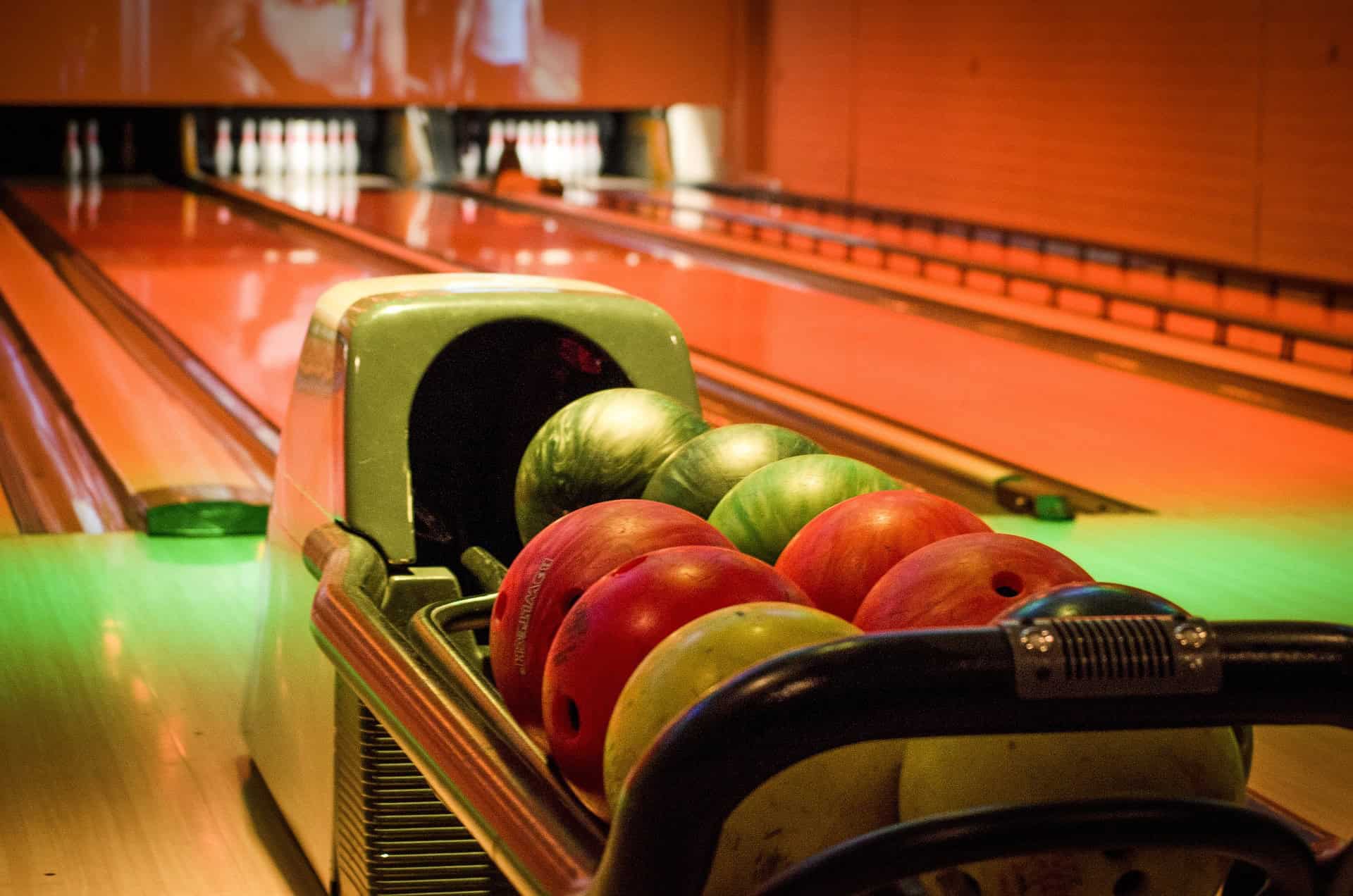
Footwork is important to your bowling game because it helps you maintain balance and control during your delivery. Good footwork allows you to transfer your body weight effectively and generate power and momentum, which can help you execute your shots more consistently and with greater accuracy.
Here are a few specific ways in which footwork is important in bowling:
Balance: Good footwork helps you maintain balance as you bowl. This is important because it allows you to stay upright and transfer your body weight effectively, which can help you generate power and momentum on your shots.
Control: Footwork is also important for control. By taking the right number of steps and planting your foot correctly, you can better control the direction and trajectory of your shots.
Timing: Footwork is also important for timing. By synchronizing your footwork with your arm swing, you can develop a consistent and smooth delivery, which can help you execute your shots more consistently.
Power: Good footwork can also help you generate more power on your shots. By transferring your body weight effectively, you can generate more speed and energy on the ball, which can help you knock down more pins.
Overall, footwork is an important aspect of your bowling game because it helps you maintain balance, control, timing, and power on your shots. It is important to work on your footwork in order to bowl your best. Good footwork is essential for maintaining balance and control during your delivery. Make sure you are taking the right number of steps and planting your foot correctly as you bowl.
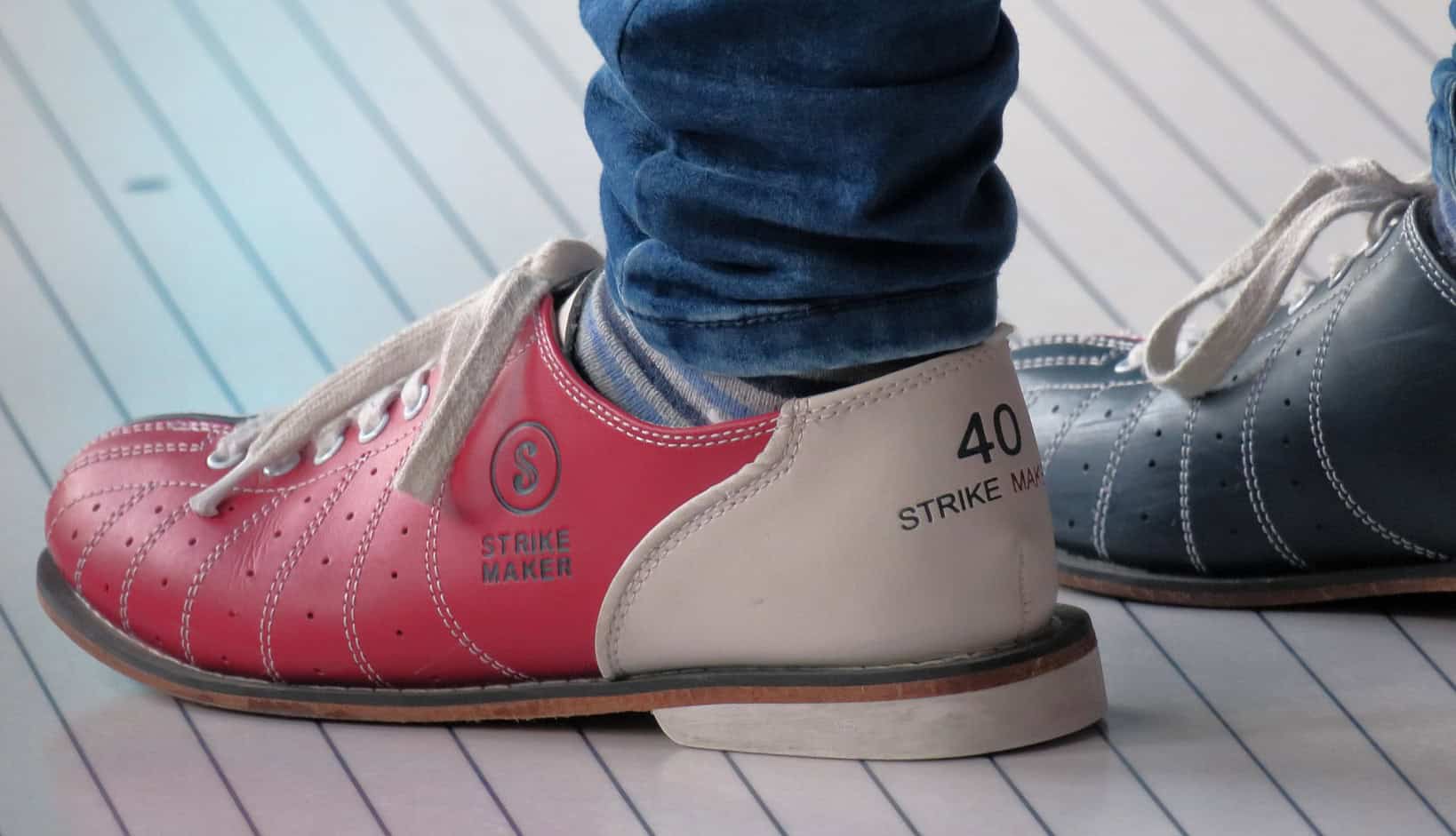
Experimenting with different balls is an important part of becoming a better bowler because it allows you to find a ball that works best for your style and the conditions of the lanes. Different balls can produce different reactions on the lanes, and finding the right ball for your game can help you bowl more consistently and effectively.
Here are a few specific reasons why you should experiment with different balls:
Different balls have different hook potential: Different balls can have different hook potential, which is the ability of the ball to change direction as it travels down the lane. Experimenting with different balls can help you find a ball that hooks the right amount for your game and the conditions of the lanes.
Different balls have different coverstocks: The coverstock of a ball is the outer surface of the ball, and it plays a role in the ball’s reaction on the lanes. Different coverstocks can produce different reactions on the lanes, so experimenting with different balls can help you find a ball that reacts the way you want it to.
Different balls have different cores: The core of a ball is the weight block inside the ball, and it plays a role in the ball’s reaction on the lanes. Different cores can produce different reactions on the lanes, so experimenting with different balls can help you find a ball that reacts the way you want it to.
Different balls have different weight blocks: The weight block of a ball is the arrangement of weight inside the ball, and it plays a role in the ball’s reaction on the lanes. Different weight blocks can produce different reactions on the lanes, so experimenting with different balls can help you find a ball that reacts the way you want it to.
Different balls can produce different reactions on the lanes, so it is worth experimenting with different types of balls to see what works best for you.